

What are the Symptoms of Depression? A Comprehensive Guide
Introduction
Depression is one of the most common mental health conditions, yet it’s often misunderstood. It’s more than just feeling sad; it’s a complex mood disorder that can affect every aspect of life. According to the World Health Organization (WHO), depression is a leading cause of disability worldwide.
In this post, we’ll explore the symptoms of depression as defined by the DSM-5 (Diagnostic and Statistical Manual of Mental Disorders, 5th Edition), provide statistics from Australia, the United States, the United Kingdom, and Canada, and highlight insights from pioneers in the field of depression research.
What is Depression?

Depression is a mood disorder characterised by persistent feelings of sadness, emptiness, and a lack of interest in previously enjoyable activities. It can also affect physical health, thinking, and behaviour.
The DSM-5 classifies depression under “Major Depressive Disorder” and outlines specific criteria that must be met for a diagnosis. These criteria emphasise the chronic and pervasive nature of depression, distinguishing it from temporary sadness or situational emotional distress.
Symptoms of Depression
According to the DSM-5, a diagnosis of Major Depressive Disorder requires at least five of the following symptoms, present for at least two weeks:
- Persistent depressed mood for most of the day, nearly every day.
- Markedly diminished interest or pleasure in almost all activities.
- Significant weight loss or gain, or changes in appetite.
- Insomnia or hypersomnia (excessive sleep) nearly every day.
- Psychomotor agitation or retardation (observable by others).
- Fatigue or loss of energy nearly every day.
- Feelings of worthlessness or excessive guilt.
- Difficulty concentrating or making decisions.
- Recurrent thoughts of death, suicidal ideation, or suicide attempts.
It’s important to note that these symptoms must cause significant distress or impairment in social, occupational, or other areas of functioning.
Global Statistics on Depression

Depression affects millions globally, and its prevalence varies by region:
- Australia: Approximately 4.8% of Australians experience depression annually, with higher rates among women. (Source: Australian Bureau of Statistics, 2022)
- United States: Around 8.4% of U.S. adults experienced at least one major depressive episode in the past year. (Source: National Institute of Mental Health, 2023)
- United Kingdom: Depression affects 19% of adults at some point in their lives, and nearly 3.3% live with chronic depression. (Source: Mind UK, 2023)
- Canada: About 5.4% of Canadians aged 15 or older reported symptoms consistent with Major Depressive Disorder in the past year. (Source: Statistics Canada, 2022)
These figures underscore the global burden of depression and the importance of raising awareness and improving access to treatment.
Insights from Depression Research Pioneers
Several experts have significantly contributed to our understanding of depression:
- Dr. Aaron Beck: Known as the father of Cognitive Behavioural Therapy (CBT), Dr. Beck’s work has been pivotal in treating depression through identifying and reframing negative thought patterns.
- “The way we think affects how we feel and act. Changing thoughts can change emotions.”
- Dr. Martin Seligman: A pioneer in Positive Psychology, Seligman introduced the concept of “learned helplessness,” which explores how uncontrollable situations can lead to feelings of powerlessness and depression.
- “Optimism is a skill that can be developed, even in the face of depression.”
- Dr. Kay Redfield Jamison: A clinical psychologist and author, Dr. Jamison’s work on mood disorders, including her personal experiences with depression, has raised awareness and destigmatized mental illness.
- “Depression is melancholy minus its charms.”
Practical Steps to Address Depression Symptoms

While professional treatment is essential, there are evidence-based strategies individuals can adopt to support their mental health:
- Seek Professional Help: Therapies like CBT and Interpersonal Therapy (IPT) are highly effective in treating depression. Medications may also be recommended.
- Stay Active: Regular physical activity can improve mood and energy levels by releasing endorphins.
- Prioritize Sleep: Establishing a consistent sleep routine can help regulate emotions.
- Connect with Others: Building a support system of friends, family, or peers can reduce feelings of isolation.
- Engage in Mindfulness Practices: Techniques like meditation and journaling can help manage overwhelming thoughts.
How Digital Tools Can Help
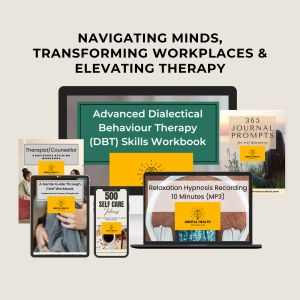
At Mental Health Resource Hub, I provide resources designed to support mental health, including eBooks, workbooks, and online courses. Whether you’re looking to understand depression or take proactive steps to improve your well-being, these tools are here to help.
Conclusion
Depression is a serious but treatable condition. By recognising the symptoms, understanding their impact, and seeking support, individuals can take the first step towards recovery.
Explore our digital resources at Mental Health Resource Hub to learn more about managing depression and supporting mental well-being.